The Great-EST Needs Fund
About the Fund
Your gift goes where it can do the most good, today and for generations to come.
Established in 2018, the Great-EST Needs Fund gives the flexibility to direct grants to the most urgent and promising opportunities in our community. Guided by local data, community voices and diligent review, this fund helps address the challenges that matter most right now.
Many donors choose this fund to have confidence in how gifts are directed and, as part of their legacy planning, knowing their generosity will continue responding to future community needs long after they are gone.
Our Grants & Community Engagement Committee, together with our Executive Director and community partners, spends the year listening, learning, and identifying gaps where additional support can make the biggest difference. We review grant applications carefully, follow up with recipients to measure impact, and ensure every dollar is directed thoughtfully and effectively.
The need is growing and we are not able to fund every worthy request we receive. Your gift can help us increase impact where it is most urgently needed.

When you give to the Great-EST Needs Fund, you join a community of donors who trust local leadership, local knowledge, and local data to create lasting change.
Consider making a gift today to support this fund.
Donate to The Great-EST Needs Fund using the button below
Talk to us about a legacy gift

In 2026, the GreatEST Needs Fund is prioritizing:
Youth mental health (ages 14–29) — Significant decline in mental health from 4.3% to 23% over 4 years
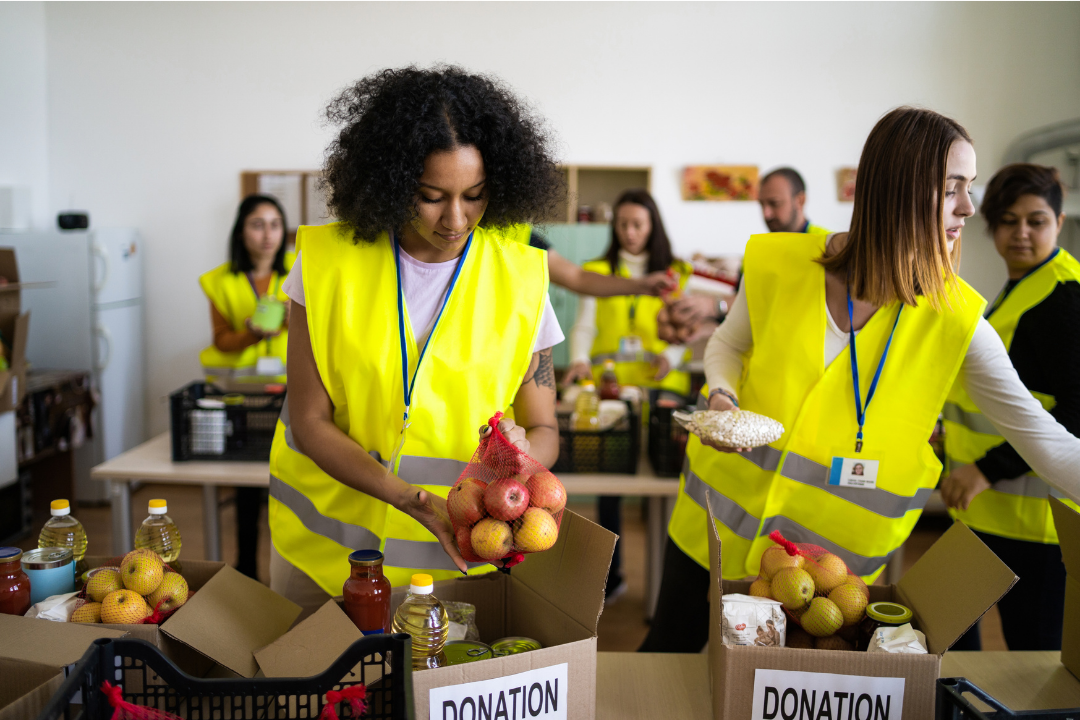
Food insecurity & poverty — 1 in 5 households experienced food insecurity last year
Addiction & substance use — local youth report higher rates of substance use like alcohol & cannibis than youth in Ontario
Great-EST Needs Fund — What to Know
-
The Great-EST Needs Fund is an endowed community fund for donors who want to make a lasting difference in St. Thomas and Elgin County without having to choose a particular charity. Gifts are invested for the long term, and a portion is granted each year to respond to important needs and opportunities in our community.
-
Our Grants & Community Engagement Committee brings together local community members who understand St. Thomas and Elgin County. Eligible applications are carefully reviewed and ranked, followed by a discussion to reach consensus on recommendations. The Foundation's Board provides final approval.
-
We don't rely only on grant applications. Throughout the year, the Foundation meets with charities, participates in community conversations and coalitions, visits organizations, and listens to local leaders and residents. This helps us understand both established needs and issues that are beginning to emerge.
-
That's understandable. Great-EST Needs is specifically designed for donors who are comfortable entrusting granting decisions to the Foundation. If you have a particular charity or cause you want to support, we can help you explore other giving options. Great-EST Needs offers a different choice: you provide the resources, and you trust us to do the homework.
-
Our relationship with funded organizations doesn't end when the cheque is written. We receive follow-up reports, conduct site visits where appropriate, and share stories and results with our donors and community. Because Great-EST Needs is endowed, your gift also continues supporting the community year after year.